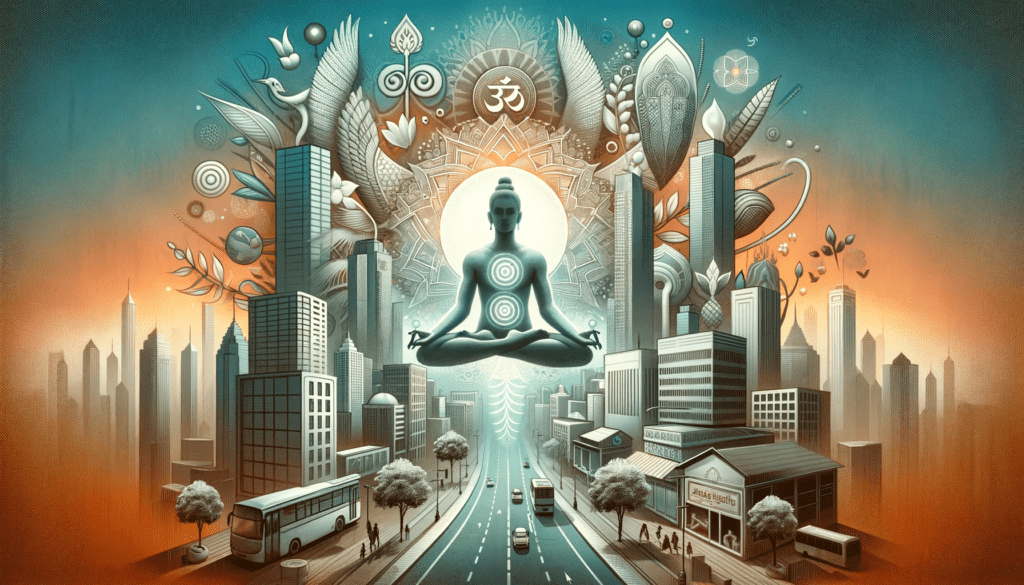
The four paths of yoga in Hinduism
The four paths of yoga in Hinduism are a set of spiritual practices that aim to help individuals achieve liberation (moksha) from the cycle of birth and death.
The four paths of yoga in Hinduism are a set of spiritual practices that aim to help individuals achieve liberation (moksha) from the cycle of birth and death. Each path emphasizes a different aspect of yoga practice, and each is suited to different personalities and temperaments. Here is a more detailed overview of each path:
Karma Yoga
This path emphasizes selfless action and service to others as a means of achieving spiritual growth. It teaches that by performing our duties without attachment to the results, we can purify our minds and gradually transcend our ego-driven desires. This path is ideal for those who are active and outgoing, and who find meaning in helping others.
Benefits of Karma Yoga
One of the main benefits of Karma Yoga is the emphasis on selfless action and service to others. By focusing on serving others and performing duties without attachment to the results, practitioners can cultivate a sense of humility, compassion, and generosity. This can help them overcome ego-driven desires and develop a greater sense of purpose and meaning in life. Karma Yoga can also help practitioners develop important skills such as leadership, teamwork, and communication, which can benefit them in all areas of life.
Misconception about Karma Yoga
Misconception: Karma Yoga is only for those who do charitable work or are in a specific profession.
Clarification: While Karma Yoga can involve charitable work and service to others, it is not limited to those in specific professions or who perform certain types of work. It is about performing one’s duties without attachment to the results and with a selfless attitude.
Bhakti Yoga
This path emphasizes devotion and love towards a personal deity. It teaches that by developing a loving relationship with God, one can gradually surrender their ego and achieve a state of pure consciousness. This path is ideal for those who are emotional and passionate, and who find fulfilment in expressing their love and devotion towards a divine being.
Benefits of Bhakti Yoga
The main benefit of Bhakti Yoga is the emphasis on developing a loving relationship with a personal deity. By focusing on devotion and love towards a divine being, practitioners can cultivate qualities such as devotion, surrender, and compassion. This can help them overcome negative emotions such as anger, jealousy, and greed and develop a greater sense of peace and contentment. Bhakti Yoga can also provide a sense of community and belonging, as practitioners often gather together for devotional practices and celebrations.
Misconception about Bhakti Yoga
Misconception: Bhakti Yoga is only for those who follow a specific deity or religion.
Clarification: Bhakti Yoga can be practised by anyone regardless of their religious or spiritual beliefs. It is about cultivating a loving relationship with the divine, whether that is a personal deity, a universal consciousness, or a divine principle.
Jnana Yoga
This path emphasizes knowledge and self-inquiry as a means of realizing our true nature as pure consciousness. It teaches that by discriminating between the real and the unreal, we can gradually overcome our identification with the body-mind and realize our ultimate nature as the eternal self. This path is ideal for those who are intellectual and introspective, and who find fulfillment in understanding the nature of reality.
Benefits of Jnana Yoga
One of the main benefits of Jnana Yoga is the emphasis on self-inquiry and knowledge. By questioning the nature of reality and seeking to understand the true nature of the self, practitioners can develop a greater sense of clarity, wisdom, and discernment. This can help them overcome confusion, doubt, and delusion, and develop a greater sense of inner peace and confidence. Jnana Yoga can also help practitioners develop important analytical and critical thinking skills, which can benefit them in all areas of life.
Misconception about Jnana Yoga
Misconception: Jnana Yoga is only for intellectuals or scholars.
Clarification: While Jnana Yoga does involve intellectual inquiry and self-reflection, it is not limited to intellectuals or scholars. Anyone can practice Jnana Yoga by questioning their beliefs and examining their experiences to gain a deeper understanding of themselves and the nature of reality.
Raja Yoga
This path emphasizes meditation and self-discipline as a means of quieting the mind and achieving spiritual insight. It teaches that by practising various yogic techniques such as asanas, pranayama, and meditation, we can gradually overcome the fluctuations of the mind and experience a state of inner peace and stillness. This path is ideal for those who are introspective and disciplined, and who find fulfilment in achieving a state of inner calm and clarity.
While each path is considered a valid means of achieving spiritual growth and liberation in Hinduism, it’s important to note that these paths are not mutually exclusive, and many practitioners may combine elements of different paths in their practice. For example, a practitioner of Karma Yoga may also incorporate elements of Raja Yoga into their practice by practising meditation to develop inner calm and clarity. Similarly, a practitioner of Bhakti Yoga may incorporate self-inquiry practices from Jnana Yoga to gain a deeper understanding of their relationship with their chosen deity.
Benefits of Raja Yoga
The main benefit of Raja Yoga is the emphasis on meditation and self-discipline. By practising various yogic techniques such as asanas, pranayama, and meditation, practitioners can cultivate a sense of inner calm and stillness. This can help them overcome mental and emotional disturbances and develop a greater sense of focus and concentration. Raja Yoga can also help practitioners develop important skills such as self-control, discipline, and perseverance, which can benefit them in all areas of life.
Misconception about Raja Yoga
Misconception: Raja Yoga is only for those who are able to sit in meditation for long periods of time.
Clarification: While Raja Yoga does involve meditation and self-discipline, it is not limited to those who can sit for long periods of time. It is about finding inner calm and stillness through a variety of yogic practices, such as asanas and pranayama, that gradually lead to a state of meditation and self-realization.
Famous practitioners
- Mahatma Gandhi: Gandhi is perhaps the most well-known practitioner of Karma Yoga. His entire life was dedicated to serving others, and he encouraged others to do the same. He believed that true spiritual growth could only be achieved through selfless service to others, and he lived this principle throughout his life.
- Swami Vivekananda: Swami Vivekananda is a well-known practitioner of Jnana Yoga. He emphasized the importance of developing discrimination and rational thinking as a means of understanding the true nature of the self. He encouraged seekers to question their beliefs and examine their own experiences in order to gain deeper insights into the nature of reality.
- Swami Sivananda: Swami Sivananda is a well-known practitioner of Raja Yoga. He founded the Divine Life Society, which promotes the practice of yoga and Vedanta philosophy. He emphasized the importance of meditation and self-discipline as a means of achieving spiritual growth and inner peace.
- Ramakrishna: Ramakrishna is a well-known practitioner of Bhakti Yoga. He is considered a saint by many Hindus and is known for his intense devotion to the goddess Kali. He believed that true spiritual growth could only be achieved through unconditional love and devotion to God.
These are just a few examples of famous practitioners who have followed one or more of these paths. They serve as inspiration for those seeking to incorporate these practices into their own lives.
Conclusion
Regardless of which path one chooses to follow, the ultimate goal is the same: to attain a state of unity with the divine and experience a sense of inner peace and bliss. This is known as moksha or liberation from the cycle of birth and death. It is important to note that achieving moksha is not easy and requires consistent effort and practice. It is a lifelong journey of self-discovery and spiritual growth.
Moreover, these four paths are not the only ways to achieve spiritual growth and liberation in Hinduism. There are other paths such as Hatha Yoga, Kundalini Yoga, and Tantra Yoga that focus on physical and energetic practices. However, these paths are not as commonly discussed as the four paths outlined above.
In conclusion, the four paths of yoga in Hinduism are valuable tools for spiritual growth and liberation. By understanding and incorporating the principles and practices of Karma Yoga, Bhakti Yoga, Jnana Yoga, and Raja Yoga, individuals can develop a deeper connection with themselves and the divine. While each path is unique, they are not mutually exclusive, and practitioners may find that they naturally gravitate towards multiple paths in their practice. Ultimately, the goal of all yoga paths is to achieve a state of oneness with the divine and experience a sense of inner peace and bliss.